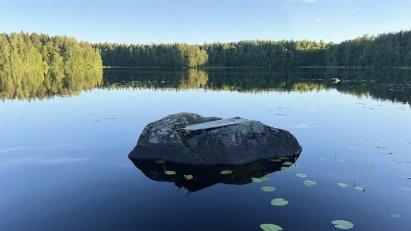
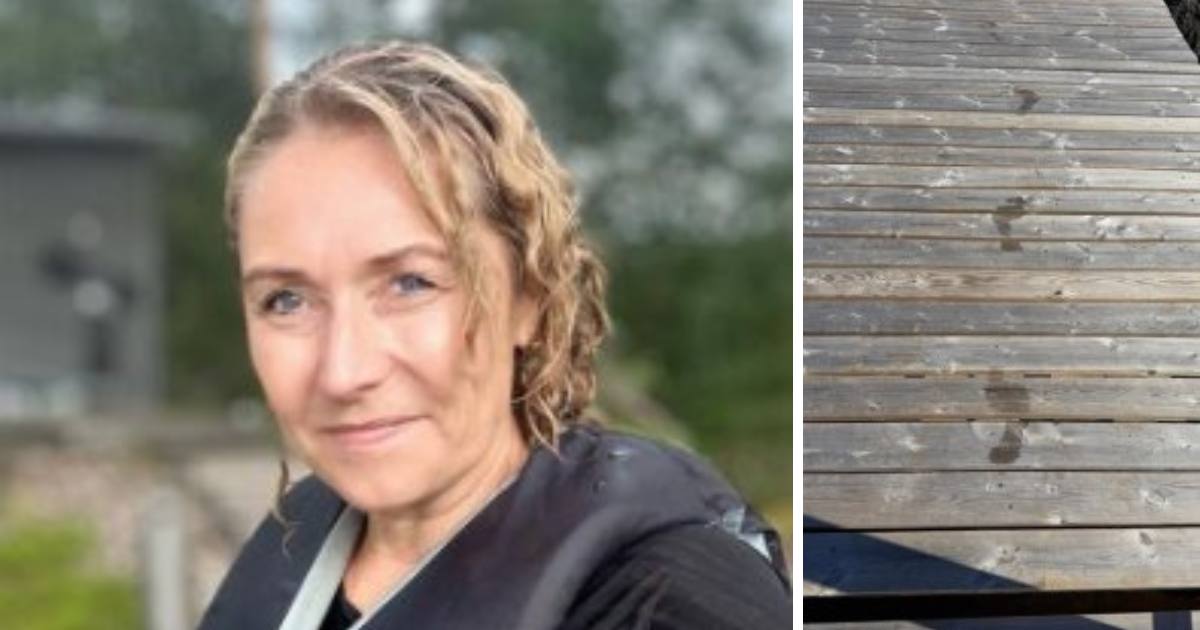
Growing up in Finland, I have never really questioned why swimming in a lake feels so special. It is just simply what we do
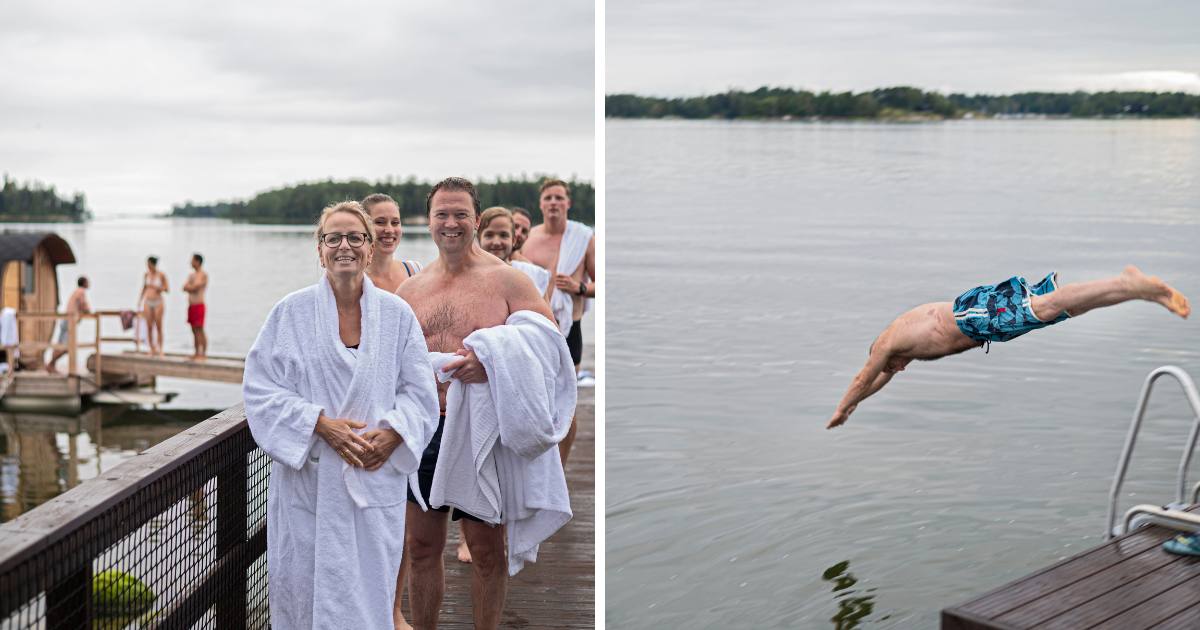
We heat the sauna, walk barefoot to the shoreline and jump into the lake. Sometimes it is the sea, sometimes a river, sometimes a quiet lake surrounded by forest. It not needed to be planned as a special activity - it is simply part of life.
Today Finland has around 3 million saunas, nearly 188,000 lakes, approximately 314,000 kilometres of shoreline, and hundreds of rivers connecting our landscapes. Water is woven into our culture, our traditions and our everyday wellbeing.
For me personally, nothing compares to swimming in natural water during the Finnish summer.
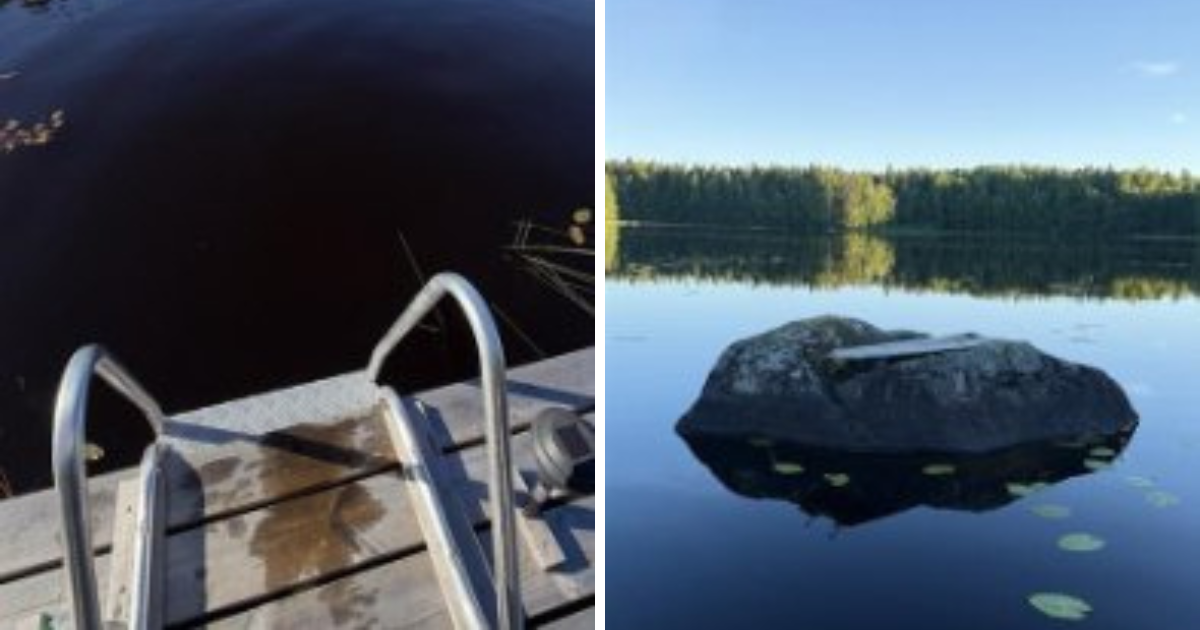
I actually avoid travelling abroad during summer whenever possible. Our summer is simply too beautiful and too short to miss. The long and light evenings, clean air, warm rocks, birds singing and the feeling of diving into soft lake water in the morning to wake up or evenings after a sauna… it is difficult to explain to someone who has never experienced it.
Natural water swimming isn’t just recreation. It is a feeling. It slows you down. It connects you with nature. And somehow, it makes you feel alive.
We Have Realised This Isn’t Normal Everywhere
Working internationally has changed my perspective.
As Finns, we often assume everyone has easy access to natural water. The reality is very different.
Many cities simply don’t have accessible waterfronts. Some waterways are heavily polluted or full of trash. Others have poor water quality, dangerous currents, heavy boat traffic or contaminated sediments.
Sometimes the water is physically there, but people cannot safely swim in it. That is where the conversation becomes interesting.
The Goal Should Always Be Swimmable Waters
If you ask us what the ideal solution is, the answer is easy: Clean the water. Restore rivers. Improve water quality. Reconnect people with nature.
Projects such as making the Seine in Paris swimmable again demonstrate what is possible when cities invest in long-term environmental restoration. They are inspiring examples of what determined political will, engineering and environmental action can achieve.
But they also require years of planning, significant investment and continuous maintenance. Not every city can wait that long. Should people need to wait decades before enjoying safe natural water swimming?
We don’t think so.
Creating Safe Access—Today
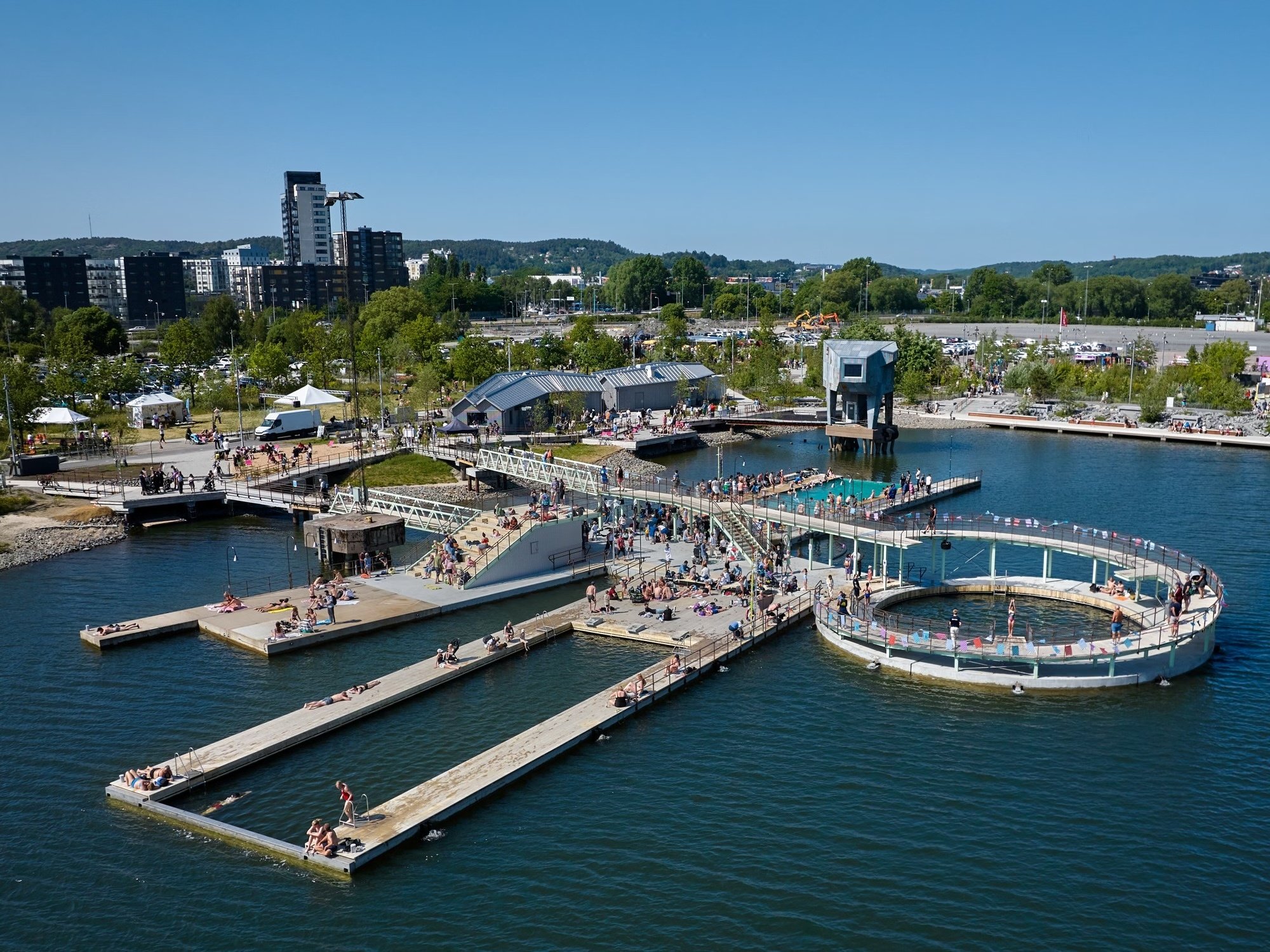
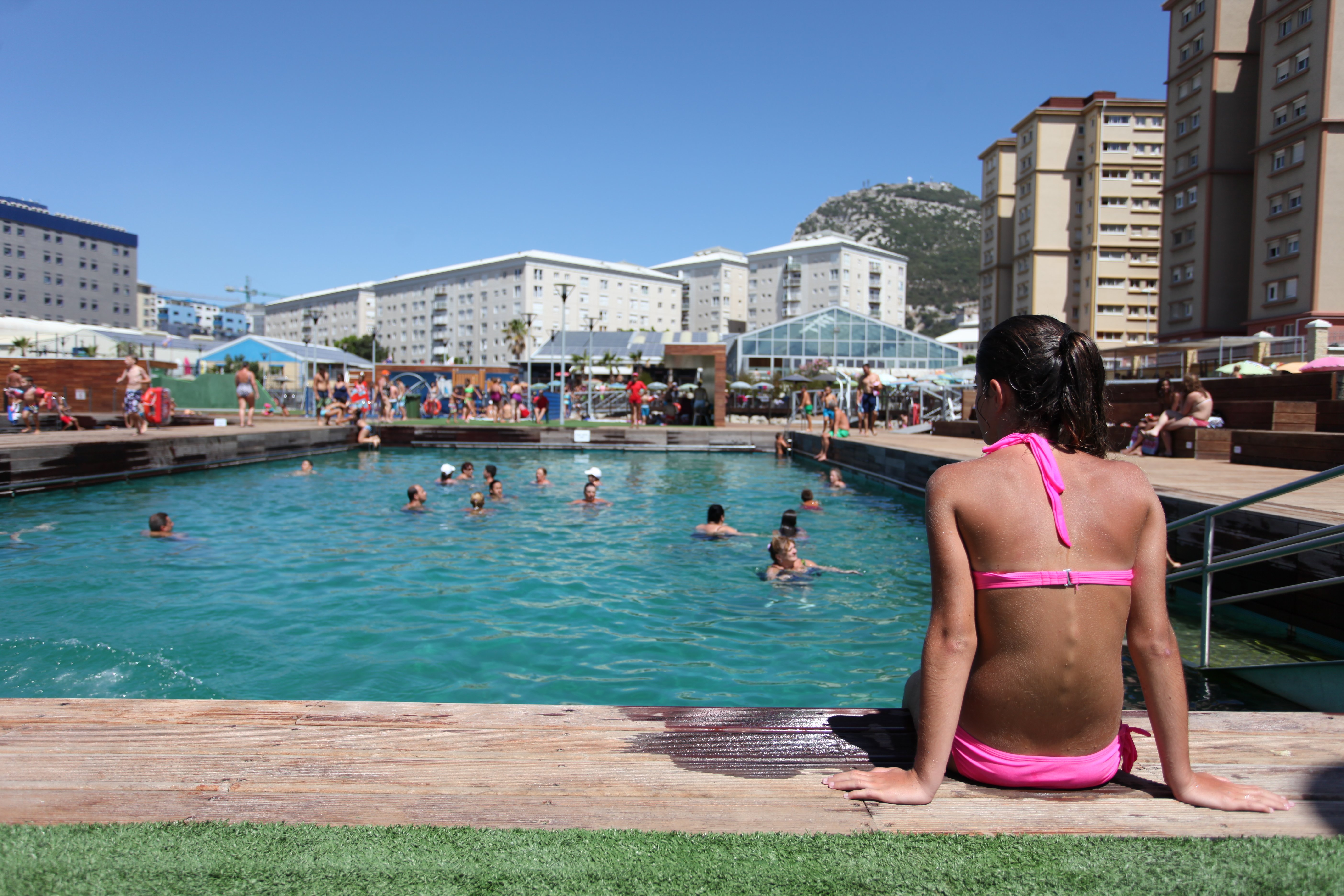
This is where filtered natural water pools become an interesting alternative. Rather than replacing natural waters, they reconnect people with them.
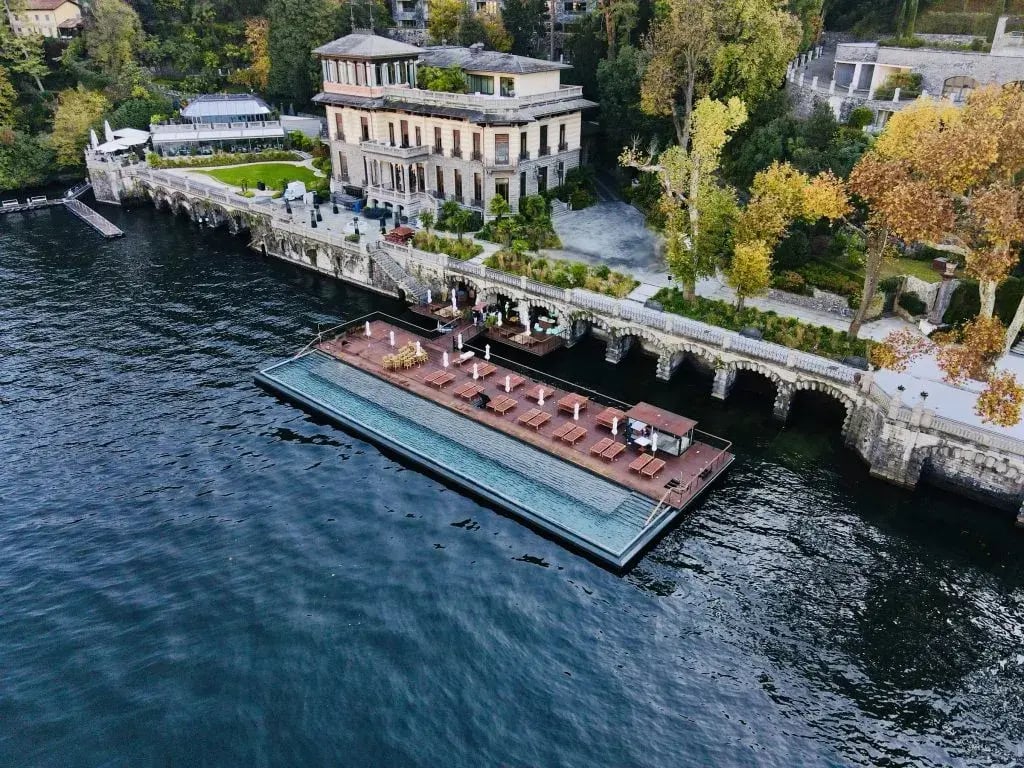
A floating natural water pool continuously draws water from the surrounding lake, river or sea, filters it using advanced treatment technologies - including UV treatment and mechanical filtration -and returns the clean water back into the pool.
There is no need to fill the pool with drinking water. There is no need to separate swimmers from the surrounding environment. Instead, people experience the sights, sounds, temperatures and feeling of swimming in natural water while enjoying controlled and safe bathing conditions.
In many locations, these facilities can also become the first step towards wider waterfront regeneration; When people start using the waterfront again, cities often begin investing more in improving the surrounding environment.
Swimming creates value → Value creates investment → Investment improves water quality.
And eventually, entire waterfronts can change.
Part of a Bigger Movement
This is why we are proud to support the vision of Swimmable cities. Every city deserves a relationship with its water.
Whether that means restoring rivers, improving coastal water quality, creating floating pools or combining all of these approaches depends on the location.
There is no single solution. But there is one common goal:
Making natural water accessible to more people.
Looking Ahead
At Bluet, we don’t see ourselves as a pool company. We see ourselves as enabling better waterfront experiences.
Sometimes that means designing floating public pools. Sometimes it means creating floating wellness destinations. Sometimes it means building infrastructure that allows people to reconnect with water safely.
Because at the end of the day, this isn’t really about pools. It’s about people. It’s about cities.
It’s about wellbeing.
And perhaps most importantly, it’s about making natural water something everyone can enjoy - not just those fortunate enough to grow up beside a Finnish lake.
#BlueWellbeing #BluetSpaces #NaturalWaterSwimming #WaterfrontCities #SwimmableCities
#Lakeside #FinnishSummer #ILoveSwimming